
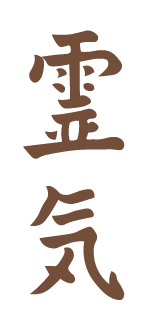
Reiki
“Just for today, do not anger;
Just for today, do not worry;
Just for today, be grateful;
Just for today, be diligent in your work;
Just for today, be kind to yourself and others”
Sensei Mikao Usui (1865-1926)

What is Reiki?
Reiki is a Japanese practice of natural, hands-on healing founded by Mikao Usui in the early 20th century. Usui’s system emerged from his deep studies of several traditions, and from his own experience of spiritual awakening.
At its essence, Reiki is more than a healing technique — it is first and foremost a spiritual path of personal growth and self-realization. As the Five Reiki Precepts remind us:
“Just for today, do not anger.
Just for today, do not worry.
Just for today, be grateful.
Just for today, be diligent in your work.
Just for today, be kind to yourself and others.”
These precepts are the foundation of Reiki practice: a call to live in presence, compassion, and gratitude — to harmonize with everything that exists. Healing begins within the practitioner. Only when we attune ourselves to the Universal Life Energy (known as Rei-ki, Qi, or Prana) can we serve as channels to bring that harmony to others.
The connection between energy and healing
Since ancient times, many healing traditions have emphasized the intimate link between mind, body, and energy. When our energy becomes blocked or imbalanced, we may experience emotional distress, mental fatigue, or even physical discomfort (often called somatization). Reiki helps to restore the natural flow of energy, rebalancing the body’s energetic centers — the chakras — and promoting holistic wellbeing on every level.
The seven chakras
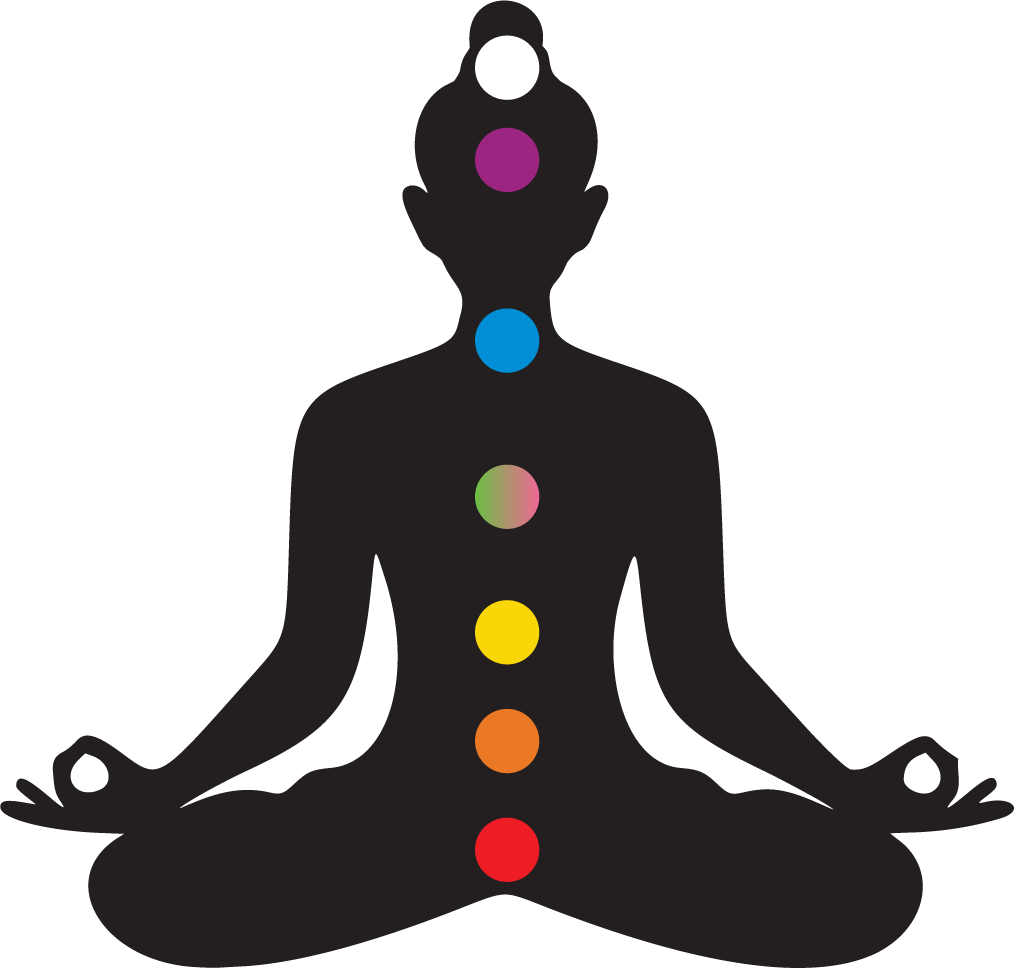
The word chakra comes from Sanskrit, meaning wheel. These are spinning vortices of energy that connect our physical body to the subtle, energetic dimensions of our being. Energy enters the body primarily through the root chakra, drawing from the Earth, and through the crown chakra, connecting to the divine or universal consciousness.
Here are the seven main chakras:
Muladhara (Root Chakra) – Red. Located at the base of the spine, it connects us to the Earth, and with our stability, safety, and physical existence.
Svadhisthana (Sacral Chakra) – Orange. Associated with water, emotions, creativity, and sexuality. Linked to the reproductive organs and lower back.
Manipura (Solar Plexus Chakra) – Yellow. The center of fire and personal power. Governs will, self-esteem, digestion, and transformation.
Anahata (Heart Chakra) – Green or pink. The bridge between body and spirit, connecting the lower and higher chakras (“As above, so below”). Governs love, forgiveness, balance, and compassion.
Vishuddha (Throat Chakra) – Blue. Located at the throat, it represents communication, authenticity, and the ability to express and live our truth. Connected to the thyroid and vocal system.
Ajna (Third Eye Chakra) – Violet (indigo in indian tradition). The seat of intuition and insight, connected to the pituitary gland and inner vision.
Sahasrara (Crown Chakra) – White (violet in indian tradition). The center of divine connection and spiritual consciousness, associated with the brain and the feeling of oneness with all that is.
When these centers are in harmony, energy flows freely, fostering physical vitality, emotional balance, and spiritual awareness. Reiki assists in realigning this flow, awakening the body’s innate capacity to heal itself and to live in deeper connection with life’s universal rhythm.
Healing with Reiki
It is important to understand that Reiki is not a substitute for medical care, and you should be cautious of anyone claiming otherwise. If you are facing any significant physical or mental health concerns, please always seek professional medical advice first.
Scientific evidence on the effectiveness of Reiki for physical ailments remains mixed, partly due to limitations in study design and reporting (vanderVaart et al., 2009). The relatively small number of clinical trials and the limited engagement of the scientific community in energy-healing research may also contribute to these inconsistencies. Nonetheless, several studies have demonstrated that Reiki can promote relaxation (Wardell et al., 2008) and, in some cases, help reduce pain.
Reiki can, however, complement traditional medicine. In mild cases — such as colds or minor injuries — it can gently support and accelerate the natural healing process. In more serious conditions, Reiki can serve as a complimentary therapy, helping to ease pain, promote relaxation, and enhance overall well-being. In fact, in some countries, Reiki is integrated into hospital programs as part of pain management and recovery care.
Beyond the physical, Reiki also works on the emotional and energetic levels. It can soothe emotional wounds, balance the subtle energy bodies, and restore inner harmony. Reiki is, at its essence, unconditional love, compassion, and forgiveness — for yourself and for others.
During or after a session, emotional releases might occur. Be gentle with yourself and allow these energies to move through you with kindness. Your soul is simply letting go of what no longer serves you, making space for healing, peace, and transformation to unfold.
Healing is a personal journey and a personal responsibility. It rarely happens all at once, and it often unfolds in ways that are subtle and unexpected. Your challenges won’t disappear instantly or magically, but Reiki—and energy healing in general—may support you by sparking sudden insights into solutions, helping you recognize new perspectives, or guiding you toward the right professionals, resources, or actions.
Energy healing can also align you with the people, opportunities, or situations you need in order to grow, elevate yourself, and transform relationship patterns that may be asking for healing.
-
Yes, Reiki is for everyone. Even children and pets can benefit from it. Reiki simply restores the natural flow of energy — something that young children and animals usually already have in balance, as they are not yet burdened by societal conditioning. For this reason, they often need only a very brief session before naturally moving away, once the harmony is restored.
-
During a session, you will lie down comfortably, fully clothed. I will gently place my hands on or slightly above specific points of your body (if you are uncomfortable with hands-on, I can hover my hands above the body), channeling Reiki energy to restore balance. Many people experience deep relaxation, warmth, tingling sensations, or sometimes emotional release.
-
No. Reiki is a spiritual but non-religious practice. It aligns with the universal energy that flows through all living beings and can harmonize with any belief system.
-
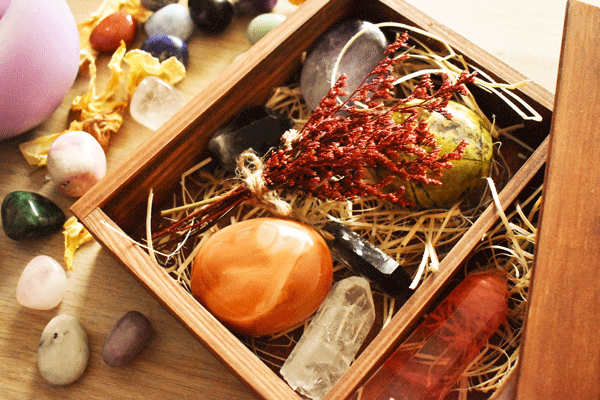
Yes. Reiki is a gentle, non-invasive practice that can safely support anyone, including pregnant women and individuals with medical conditions. However, some stronger energy-healing techniques, such as crystal healing, may not be suitable during pregnancy or for certain health conditions. If your practitioner does not ask you to complete a medical history form, it’s important to let them know about any existing conditions before your session.
-
Both promote relaxation and balance, but Reiki involves the active channeling of healing energy through the practitioner, while meditation is a self-directed practice. For the practitioner, however, Reiki itself is a form of meditation — a state of deep presence, connection, and openness to the flow of universal energy. Many people find that combining the two deepens their healing journey.
-
Be gentle with yourself. Drink water, rest, and notice any changes in mood, thoughts, or sensations over the following days. Healing can continue to unfold subtly for several days after a session.
-
Absolutely. Reiki can help and is especially suited to calm the nervous system, reduce anxiety, and restore inner peace — making it particularly beneficial for those dealing with chronic stress, burnout, or emotional exhaustion.

Location
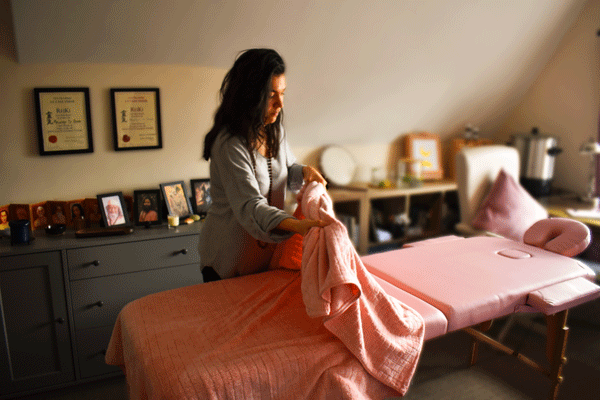
I am a fully insured and certified Reiki Practitioner, member of the UK Reiki Federation. I offer hands-on, in person energy healing treatments in my Reiki room in Culham, and at the Abingdon Natural Health and Therapy Center, located in the Coxeter House, in the center of Abingdon. The space is easy to reach, with parking nearby and excellent public transport access. Appointments in Abingdon are scheduled based on room availability, so contact me to find a time that works for you.
For those who cannot travel, I offer at-home sessions on alternating Tuesdays and on selected days during the week.
While in-person Reiki generally provides a deeper experience, distance sessions are available for anyone living far away or wishing to receive healing remotely.
“I have done the Chakra rebalance and the full reiki treatments at Shunya healing, and I couldn’t be happier with the results. Melody is a very professional practitioner and made the experience very comfortable and enjoyable. Throughout the whole sessions I felt relaxed and balanced, and the benefits lasted for several days and even weeks.”
P., United Kingdom
“I have been struggling with recurring back pain for years, and nothing ever seemed to bring real, lasting relief, until I had a remote Reiki session with Melody.
She is incredibly caring, attentive, and genuinely invested in her clients’ well-being.
Since my session with her, my back pain has completely disappeared.
Melody has a true gift, and I’m deeply grateful for the healing she’s helped me experience. I can’t recommend her highly enough.”
Yann, New Zealand
“I recently had a remote Reiki session with Melody for my recurring eyelid Chalazia. Even from a distance, Melody’s presence is warm, grounding, and deeply caring. She takes the time to understand what you’re going through and holds space in a way that feels safe and truly supportive.
During the session, she shared insightful visions that offered unexpected clarity about the emotional and energetic layers connected to my symptoms. Her guidance helped me see things from a new perspective, and I felt a noticeable shift afterward. Feeling lighter, more balanced, and more connected to my own healing process.
Melody has an extraordinary ability to tune in with compassion and precision. I’m so grateful for her wisdom and the comfort she brought to a situation that has been troubling me for a long time. I highly recommend her to anyone seeking gentle, intuitive, and meaningful healing work.”
Nicole, New Zealand
“Ho ricevuto trattamenti a distanza di Reiki da Melody: ho notato subito una differenza in come mi sento ogni giorno. Dormo meglio la notte, mi sveglio carico e pieno di energia. Non mi sono mai sentito cosi’ bene prima d’ora. Consigliatissimo!”
Giovanni, Italy